
Online Physiotherapy for Neck Pain: Virtual Assessment, Posture Advice and Guided Exercises
Neck pain has become a common problem for people who spend long hours working on computers, using smartphones, driving, studying, or performing repetitive activities. It may begin as mild stiffness and gradually become uncomfortable enough to affect sleep, concentration, work, and everyday movement. Even turning your head, looking down at your phone, or sitting through a long meeting can become difficult.
For many people, visiting a physiotherapy clinic regularly is not always convenient. Work commitments, family responsibilities, travel time, and distance can make it harder to attend appointments. This is where Online Physiotherapy for Neck Pain can offer a practical option. Through a virtual consultation, you can discuss your symptoms with a physiotherapist, receive guidance on suitable movements, understand your posture and daily habits, and follow a personalized exercise programmed from home.
But can online physiotherapy really help with neck pain? In suitable cases, yes. A physiotherapist can assess your reported symptoms, observe selected movements over video, explain activity modifications, and guide you through exercises. However, virtual care is not appropriate for every neck condition. Some symptoms require an in-person examination or urgent medical attention.
At PHYSIOHUB 360, the focus is on making physiotherapy guidance accessible to people who want to explore online treatment. This guide explains how Online Physiotherapy for Neck Pain works, what happens during a virtual assessment, how posture advice and guided exercises may help, and when you should seek additional medical care.
What Is Online Physiotherapy for Neck Pain?
Online Physiotherapy for Neck Pain is a form of physiotherapy delivered remotely through video consultations and digital communication. Instead of travelling to a clinic for every session, you connect with a physiotherapist using a smartphone, tablet, or computer.
During the consultation, the physiotherapist may ask about the location of your pain, when it started, how long you have experienced it, and which activities make it better or worse. They may also ask about your work routine, sleeping habits, previous injuries, medical history, and whether the pain spreads towards your shoulders, arms, or hands.
If your symptoms are suitable for remote assessment, the physiotherapist may observe selected movements through your camera. This can include gently turning your head, looking up or down, moving your shoulders, or demonstrating a normal daily activity. The professional uses the information available to understand your functional difficulties and decide what guidance may be appropriate.
Based on the assessment, Online Physiotherapy for Neck Pain may include posture education, movement advice, personalised exercises, and regular progress reviews. The treatment plan should be adjusted according to your symptoms and abilities rather than relying on the same routine for everyone.
An online consultation cannot reproduce every part of a physical examination. It may not be possible to assess muscle strength, sensation, reflexes, or other clinical signs as thoroughly as during an in-person appointment. A responsible physiotherapist will recognise these limitations and recommend further assessment when necessary.

What Causes Neck Pain in Everyday Life?
Neck pain can develop for different reasons, and sometimes more than one factor contributes to the problem. Understanding your daily routine can help a physiotherapist identify activities that may need Online Physiotherapy for Neck Pain to be adjusted.
Prolonged computer and desk work
People who work at computers may remain in one position for long periods. If the screen, chair, or desk arrangement is uncomfortable, they may repeatedly hold their head in a position that increases strain or discomfort.
However, there is no single perfect posture that prevents all neck pain. Staying in the same position for too long can be uncomfortable even when your sitting arrangement appears correct. Regular movement and comfortable variation are important.
Frequent smartphone use
Looking down at a phone for extended periods may make the neck and shoulder area feel tired or stiff. This is particularly common when people use their phones while travelling, studying, watching videos, or working.
Online Physiotherapy for Neck Pain can help you review how you use your phone and identify practical changes, such as bringing the screen closer to eye level and taking regular movement breaks.
Sleeping position and pillow support
Some people wake up with neck stiffness after sleeping in an uncomfortable position. Pillow height, sleeping habits, and the position of the head may influence comfort, although neck pain cannot always be explained by sleeping posture alone.
A physiotherapist can discuss your sleeping routine and suggest general comfort adjustments based on your symptoms.
Repetitive activities and muscle fatigue
Driving, lifting, repetitive work, and activities that require looking in one direction for a long time may contribute to discomfort. Sudden increases in activity can also make the neck and shoulder area feel sore.
Injury or an underlying condition
Neck pain may also occur following a fall, road traffic accident, sports injury, or other medical condition. Problems involving nerves or the cervical spine may require more detailed assessment. If symptoms begin after significant trauma or include new neurological changes, do not assume that they are caused by posture or muscle tension.
How Does a Virtual Neck Pain Assessment Work?
A Online Physiotherapy for Neck Pain virtual assessment is more than a video call in which you describe your pain. A structured consultation helps the physiotherapist understand your symptoms, identify possible concerns, and decide whether remote treatment is appropriate.
1. Discussion of symptoms and medical history
The consultation usually begins with questions about your neck pain. You may be asked when it started, whether it is constant or occasional, and whether it spreads into your shoulders, arms, or fingers.
The physiotherapist may also ask about headaches, tingling, numbness, weakness, dizziness, previous injuries, medical conditions, and any treatment you have already received. It is important to mention these details honestly, even if you think they are unrelated.
2. Observation of movement
If it is safe, the physiotherapist may ask you to demonstrate selected movements in front of your camera. They may observe how comfortably you turn your head, move your shoulders, or maintain a position during a simple activity.
You should not force a movement or try to demonstrate the full extent of your pain. If a movement feels unsafe, stop and explain what you are experiencing.
3. Review of posture and daily activities
The physiotherapist may ask about your desk arrangement, phone usage, driving routine, sleep habits, and work activities. This helps connect your symptoms with the practical demands of your day.
4. Personalised treatment recommendations
After reviewing the available information, the physiotherapist may suggest suitable exercises, activity adjustments, or further assessment. The recommendations should reflect your condition, not simply a standard neck exercise routine.
5. Follow-up and progress review
During follow-up sessions, the physiotherapist can ask whether your movement, comfort, and daily activities have improved. The plan may be adjusted based on your response.
The UK NHS guidance on remote musculoskeletal physiotherapy recognises video consultations as a useful option for selected neck and other musculoskeletal conditions, while also explaining that some presentations are more challenging to assess remotely. Read the NHS guide to remote physiotherapy consultations.
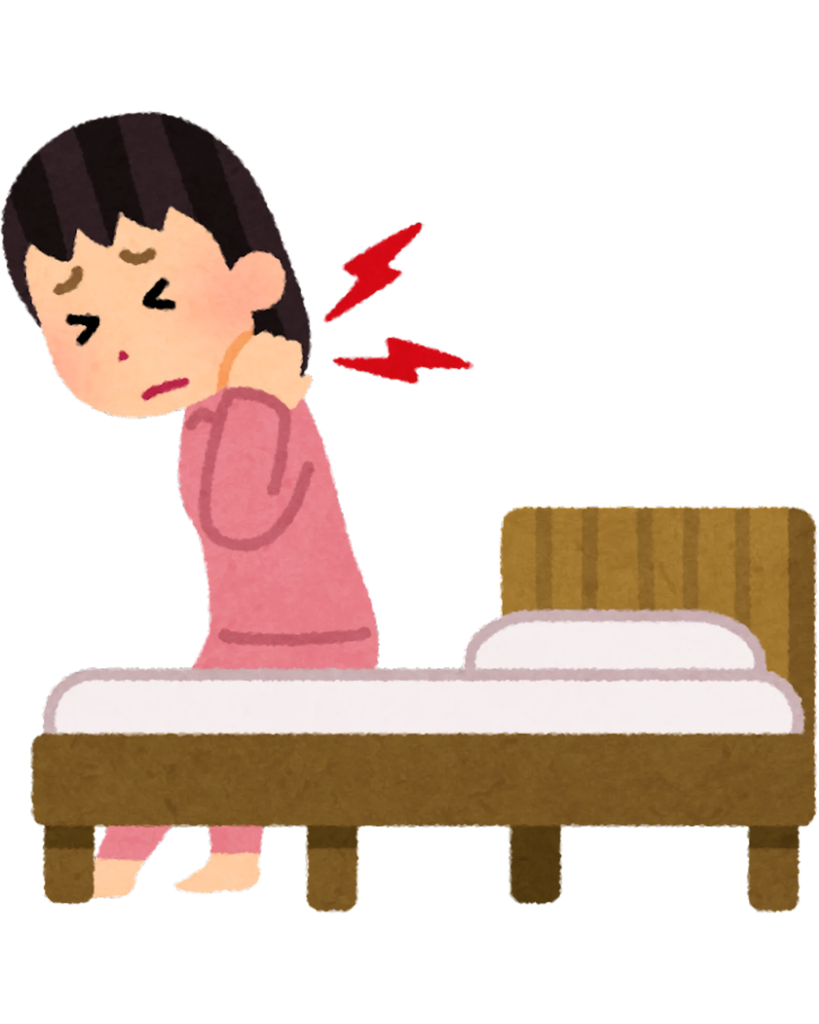
Can Online Physiotherapy for Neck Pain Help Improve Neck Posture?
Posture advice is often part of Online Physiotherapy for Neck Pain, particularly when your symptoms are associated with prolonged desk work, smartphone use, or repetitive daily activities.
The aim is not to force your neck into one rigid position throughout the day. Instead, a physiotherapist can help you find comfortable working positions, reduce unnecessary strain from repetitive habits, and introduce regular movement into your routine.
For example, if you spend several hours working on a laptop, the screen may be too low or too far away. You may find yourself leaning forward or repeatedly looking down. A physiotherapist can discuss practical adjustments to your screen position, chair, and working arrangement.
If you frequently use a smartphone, holding it a little higher and taking breaks may help reduce the time spent looking down. During long periods of driving, appropriate breaks and comfortable seat adjustments may also be useful.
It is equally important to avoid treating posture as the only cause of neck pain. Pain can involve several factors, including physical activity, previous injury, sleep, stress, and individual health conditions. A personalised assessment is more useful than assuming that every neck problem comes from poor posture.
Guided Exercises That May Be Included in Online Neck Physiotherapy
Exercise selection depends on your symptoms, assessment findings, medical history, and current movement abilities. Online Physiotherapy for Neck Pain may include gentle mobility, strengthening, shoulder movement, and general activity as appropriate.
The following examples explain common exercise categories. They are not a personal treatment prescription. Do not begin or force these movements if you have severe pain, recent trauma, neurological symptoms, or another condition that requires medical assessment.
Gentle neck mobility
A physiotherapist may recommend comfortable neck movements to help maintain or gradually improve movement. Depending on your condition, this could involve small, controlled head turns or gentle movements within a comfortable range.
The purpose is to encourage appropriate movement without forcing the neck or repeatedly pushing into pain.
Chin tuck or neck control exercises
Some people may be guided through gentle exercises that involve bringing the head back into a more neutral position without bending it down. These exercises may be used to develop awareness and control of head and neck positioning.
The correct technique and suitability should be checked by your physiotherapist, particularly if the movement increases your symptoms.
Shoulder blade movement
Neck discomfort can occur alongside shoulder and upper-back stiffness. A physiotherapist may recommend selected shoulder blade movements or upper-body exercises when these are appropriate for your condition.
Upper-back mobility
If your upper back feels stiff, your physiotherapist may consider suitable movements for the upper-back area. The aim is to improve comfortable movement across the upper body rather than repeatedly stretching the neck.
Gradual strengthening
Some treatment plans include exercises to improve the strength and endurance of the neck, shoulder, and upper-back muscles. The starting level should match your abilities, and the difficulty should increase gradually under professional guidance.
The NHS Inform resource on exercises for neck problems explains the importance of gradually adjusting exercise according to symptoms. If a movement creates new pain or makes symptoms worse, stop and seek appropriate advice.
Benefits of Online Physiotherapy for Neck Pain
Access professional guidance from home
One of the main benefits of Online Physiotherapy for Neck Pain is the convenience of receiving guidance without travelling to a clinic for every appointment. This can be useful for people with busy schedules, travel difficulties, or limited access to nearby physiotherapy services.
Understand your daily movement habits
Because consultations take place in your normal environment, you can discuss your actual work setup, chair, desk, and phone habits. This can make posture and activity advice easier to apply in everyday life.
Receive individual exercise guidance
Rather than following random videos, you can receive exercises selected according to your symptoms and abilities. A physiotherapist may demonstrate the movement, observe your technique over video, and explain how to modify it if necessary.
Make follow-up more convenient
Regular reviews can help you discuss changes in pain, movement, and daily function. Your physiotherapist can use this feedback to decide whether your programme needs to progress, change, or be reassessed.
Support a consistent home routine
A treatment programme that fits your schedule may be easier to follow. You can practise recommended activities in your usual surroundings, provided they are safe and appropriate.
The US Department of Health and Human Services also explains how telehealth physical therapy can improve access, support home exercise routines, and reduce the need for travel for suitable patients. Read its guide to using telehealth for physical therapy.

How to Make Your Home Workspace More Comfortable
Small adjustments to your work environment may make everyday activities more comfortable. These are general suggestions, and your physiotherapist can help you decide which changes are relevant to your situation.
Keep your screen at a height and distance that allow you to work without constantly leaning forward. If you use a laptop for long periods, a separate keyboard and a suitable stand may make the setup more comfortable.
Choose a chair that supports a relaxed sitting position. Keep frequently used objects within easy reach so you do not repeatedly twist or stretch awkwardly. If you use a phone while working, consider using a stand or hands-free option when appropriate.
Most importantly, avoid staying in one position for too long. Take comfortable movement breaks during the day. You do not need to maintain a perfectly upright posture every minute; changing positions regularly is often more practical.
Online Physiotherapy for Neck Pain can help you identify which adjustments are worth making instead of spending money on equipment that may not address your actual needs.
When Is Online Physiotherapy Not Suitable?
Virtual treatment is not appropriate for every neck problem. Some conditions need a physical examination, medical investigations, or urgent treatment before exercise guidance can begin.
The Indian Council of Medical Research (ICMR) identifies warning signs that require careful assessment, including significant trauma, fever, unexplained weight loss, history of cancer, severe worsening pain, and neurological symptoms such as weakness or numbness. Read the ICMR Standard Treatment Workflow for Neck Pain.
Seek urgent medical assessment if you experience new or worsening weakness in your arms or legs, difficulty walking, problems with coordination, or new loss of bladder or bowel control. Sudden severe neck pain, especially after an injury, also needs prompt assessment.
If neck pain is accompanied by chest pain, difficulty breathing, sudden facial weakness, or difficulty speaking, seek emergency medical care.
Persistent pins and needles, numbness, pain spreading down the arm, or symptoms that are getting worse should also be assessed by a healthcare professional. These symptoms do not automatically rule out online physiotherapy, but they may require a more detailed examination before remote exercises are considered.
A responsible physiotherapist should recommend in-person care when a direct examination or hands-on treatment is needed. This is an important part of safe treatment, not a disadvantage of the online service.
How to Choose the Right Online Physiotherapist for Neck Pain
Before booking Online Physiotherapy for Neck Pain, check the physiotherapist’s qualifications, relevant experience, communication style, and approach to assessment.
Choose a professional who asks about your symptoms and medical history rather than immediately recommending exercises. They should explain why a particular movement or activity adjustment may be useful and what you should do if it causes discomfort.
Ask how follow-up appointments work, how progress will be reviewed, and whether you can contact the provider if you have questions about your programme. You should also understand the consultation charges, cancellation policy, and any additional costs before purchasing a package.
Avoid providers who promise to cure every type of neck pain in a fixed number of days. A trustworthy physiotherapist will explain that recovery depends on the cause of the problem, symptom duration, individual health, and response to treatment.
For people in Dhanbad, Govindpur, and other parts of India, online consultations can make professional guidance more accessible, subject to service availability and the suitability of the condition. You can explore the services offered by PHYSIOHUB 360 and enquire about its online physiotherapy options.
How to Prepare for Your First Virtual Physiotherapy Consultation
Before your first appointment, write down when your neck pain began, where you feel it, and which activities make it worse. Mention whether you experience headaches, shoulder discomfort, tingling, numbness, or pain spreading into your arms.
Keep relevant medical reports, prescriptions, and previous treatment information available if you have them. Tell the physiotherapist about previous accidents, surgery, and any medical advice you have received.
Check your internet connection and camera before the session. Choose a quiet, well-lit room where the physiotherapist can see you clearly during any suitable movement assessment. Wear comfortable clothing and keep enough space around you.
Do not practise unfamiliar exercises immediately before the appointment just to demonstrate your movement. Follow the physiotherapist’s instructions and explain if a movement feels unsafe.
Finally, prepare questions about the assessment, treatment plan, exercise frequency, follow-up support, and situations that may require an in-person examination. A clear discussion will help you understand whether Online Physiotherapy for Neck Pain is appropriate for your condition.
Why Consider PHYSIOHUB 360 for Online Physiotherapy Guidance?
Choosing a physiotherapy provider should involve more than comparing appointment prices or convenience. You need a professional who listens to your concerns, understands your daily activities, and recommends treatment based on your individual needs.
PHYSIOHUB 360 provides physiotherapy services, including an online option for people seeking guidance remotely. Online consultations may be useful for individuals who want to discuss neck pain, understand their movement difficulties, and explore a suitable home-based rehabilitation approach.
The first step should always be an appropriate assessment. Your physiotherapist should determine whether virtual care is suitable, explain the treatment options, and recommend further medical evaluation if your symptoms require it.
Whether you are managing neck discomfort associated with desk work, smartphone use, or other daily activities, avoid relying on generic exercises or expecting instant results. A personalised plan and regular review are more important than simply completing a large number of exercises.
People in Govindpur, Dhanbad, and across India can visit the official PHYSIOHUB 360 website to learn more about the available services and enquiry options.
Frequently Asked Questions About Online Physiotherapy for Neck Pain
1. Can online physiotherapy help with neck pain?
Yes, Online Physiotherapy for Neck Pain may help selected patients through remote assessment, posture advice, guided exercises, and progress reviews. Its suitability depends on the cause and severity of symptoms. Some conditions require an in-person examination or medical evaluation.
2. Is online physiotherapy effective for cervical pain?
Online physiotherapy may be useful for some people with cervical or neck pain when the condition can be assessed safely through a remote consultation. The physiotherapist may recommend appropriate movement, exercise, and activity modifications. Results vary depending on the underlying condition and individual response.
3. Can I get neck pain physiotherapy at home?
Yes, selected physiotherapy guidance can be provided through video consultations from home. A physiotherapist can discuss your symptoms, observe suitable movements, and guide you through an individual exercise plan. However, not every neck condition can be managed remotely.
4. Can online physiotherapy help with neck pain caused by mobile phone use?
A virtual physiotherapist can review your smartphone habits, screen position, daily routine, and movement patterns. They may recommend practical adjustments and suitable exercises if your symptoms are appropriate for remote care. Neck pain should not automatically be attributed to phone use without proper assessment.
5. What exercises are recommended for neck pain?
Depending on your condition, a physiotherapist may recommend gentle neck mobility, neck control, shoulder blade movements, upper-back mobility, or strengthening exercises. There is no single exercise routine suitable for everyone. Exercise selection should follow an individual assessment.
6. How many online physiotherapy sessions are needed for neck pain?
The number of sessions depends on your symptoms, medical history, treatment goals, and progress. Some people may need only a few consultations and a home exercise programme, while others may require more regular reviews. Your physiotherapist should decide the schedule according to your needs.
7. Can posture correction reduce neck pain?
Comfortable work arrangements, regular movement, and changes to repetitive habits may help some people manage neck discomfort. However, posture is only one possible factor. A physiotherapist should consider your symptoms, activity levels, health history, and other contributing factors.
8. Is online physiotherapy suitable for cervical spondylosis?
Some people with cervical spondylosis may benefit from selected online physiotherapy guidance, but suitability depends on symptoms and clinical findings. Numbness, weakness, coordination difficulties, or worsening neurological symptoms require medical assessment before starting a remote exercise programme.
9. Is online physiotherapy available in Dhanbad and Govindpur?
Online consultations can allow people in Dhanbad, Govindpur, and other locations to access remote physiotherapy guidance, depending on provider availability and clinical suitability. You can visit the PHYSIOHUB 360 website to enquire about its online services.
10. When should I stop neck physiotherapy exercises?
Stop an exercise if it causes new pain, significantly worsens your symptoms, or produces unusual sensations such as dizziness or increasing numbness. Contact your physiotherapist for advice. Seek urgent medical care if you experience severe warning signs such as sudden weakness, difficulty walking, or new bladder or bowel control problems.
Conclusion
Online Physiotherapy for Neck Pain can be a convenient way to receive professional guidance, understand your posture and daily movement habits, and follow a personalised exercise programme from home. For suitable conditions, virtual consultations can help you work towards better movement and improved everyday function without travelling for every appointment.
The most important step is choosing a qualified physiotherapist who assesses your symptoms, explains the treatment plan, and monitors your progress. Do not assume that every neck problem is caused by poor posture or that the same exercises will work for everyone.
If your symptoms are severe, worsening, associated with neurological changes, or caused by significant trauma, seek appropriate medical assessment rather than relying on an online exercise programme.
For people in Dhanbad, Govindpur, and across India who want to explore remote physiotherapy guidance, PHYSIOHUB 360 offers an online service option. Visit the official website to learn more and enquire about available consultations.
With appropriate assessment, safe movement, and consistent professional guidance, you can take informed steps towards managing neck discomfort and improving your daily activities from home.